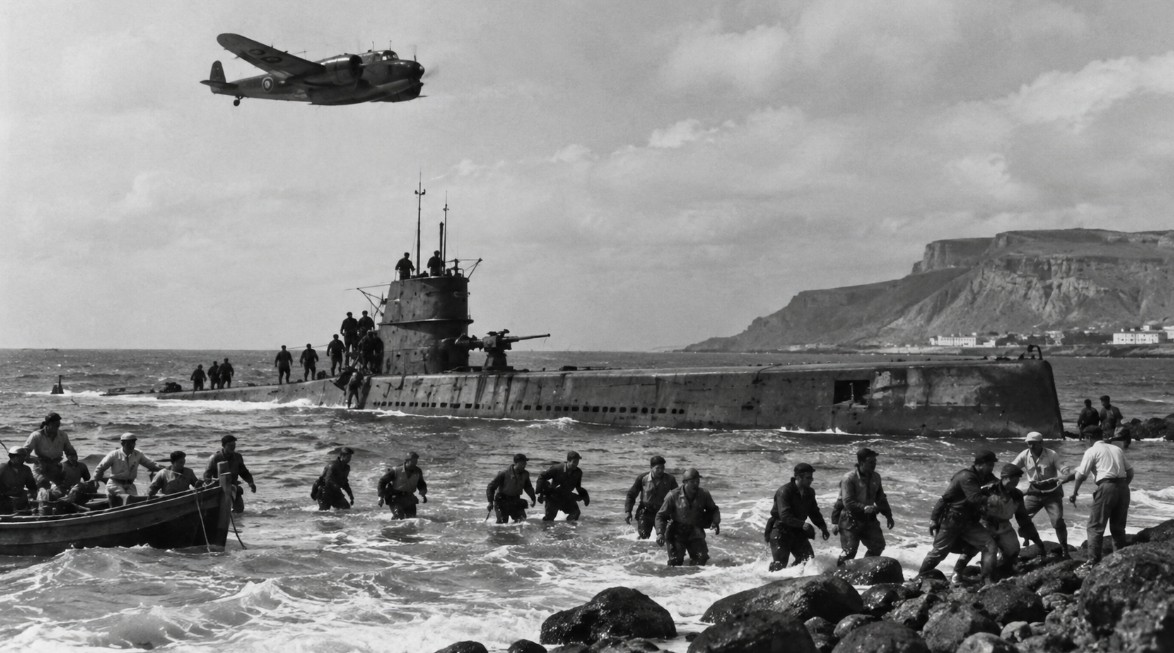
U-167: The German U-boat That Ended Its Final Patrol off Gran Canaria
In April 1943, during the Second World War, the German U-167, a Kriegsmarine Type IXC/40 U-boat, was operating in waters


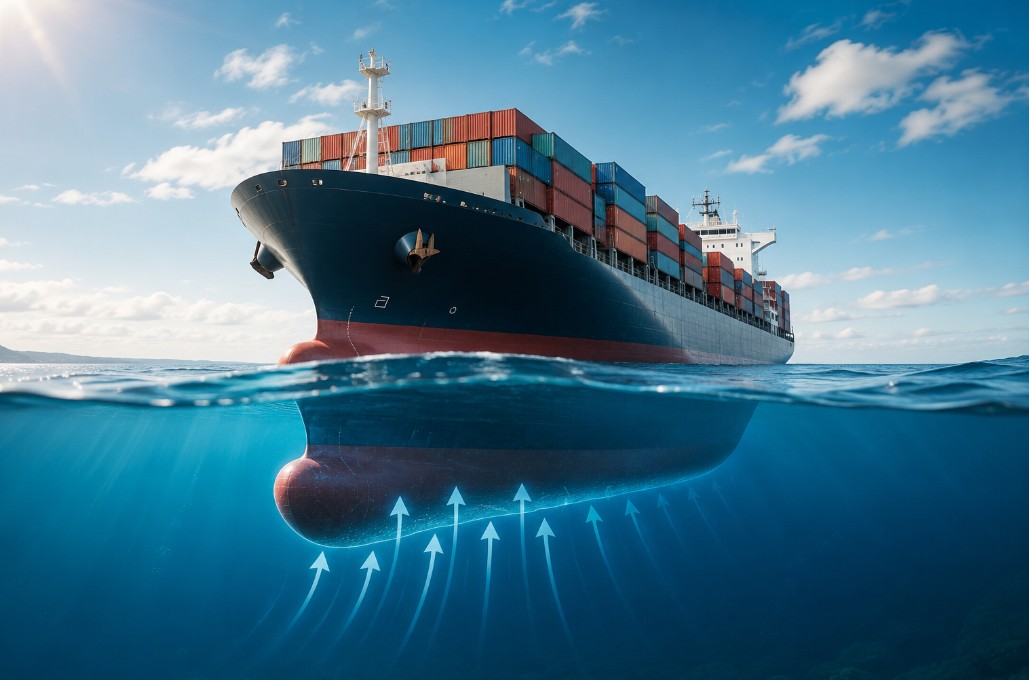
At first glance, it may seem surprising that a vessel weighing thousands of tonnes can remain afloat while a small piece of steel sinks. The answer lies in Archimedes’ Principle, which states that a body immersed in a fluid experiences an upward buoyant force equal to the weight of the fluid it displaces. This principle is one of the fundamental pillars of modern naval architecture.
Large ships are designed to displace enormous volumes of water through the shape of their hulls. Although they are primarily built from steel, the vessel as a whole—including its internal air spaces—has an average density lower than that of water, allowing the buoyant force to balance its weight and keep it afloat.
Buoyancy alone is not enough. Cargo distribution, draft, freeboard, stability and watertight subdivision are all critical factors in ensuring safe operations at sea. International regulations such as SOLAS and the International Load Line Convention establish the technical standards that enable ships to operate safely under a wide range of conditions.
Every voyage is the result of engineering, physics and rigorous safety management working together. Understanding why large ships float helps us appreciate the expertise of naval architects, seafarers and marine surveyors who make global maritime transport possible every day.

More information at:
GRUPO STIER
Ship Agency
P&I Correspondents, Surveys.
+ 34 607 55 29 27
+ 34 650 24 75 74
www.stier.es
pandi@stier.es
agency@stier.es
In April 1943, during the Second World War, the German U-167, a Kriegsmarine Type IXC/40 U-boat, was operating in waters

In an inherently international industry, having an effective network of P&I Correspondents is essential when a vessel requires assistance in