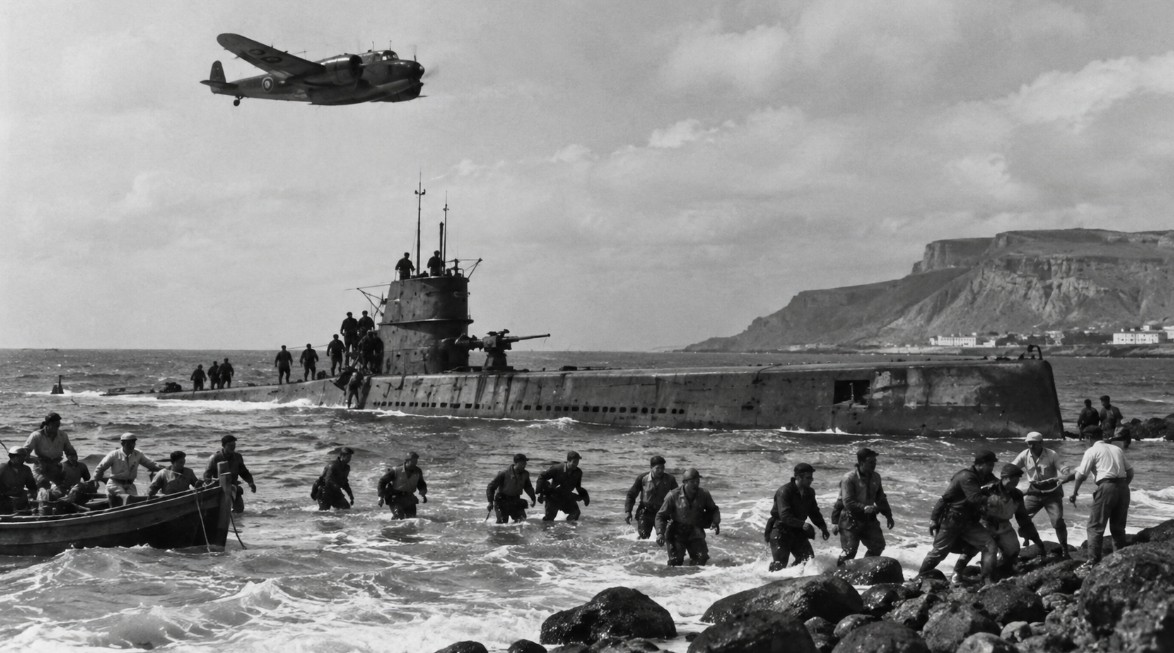
U-167: The German U-boat That Ended Its Final Patrol off Gran Canaria
In April 1943, during the Second World War, the German U-167, a Kriegsmarine Type IXC/40 U-boat, was operating in waters


by Raúl Villa Caro
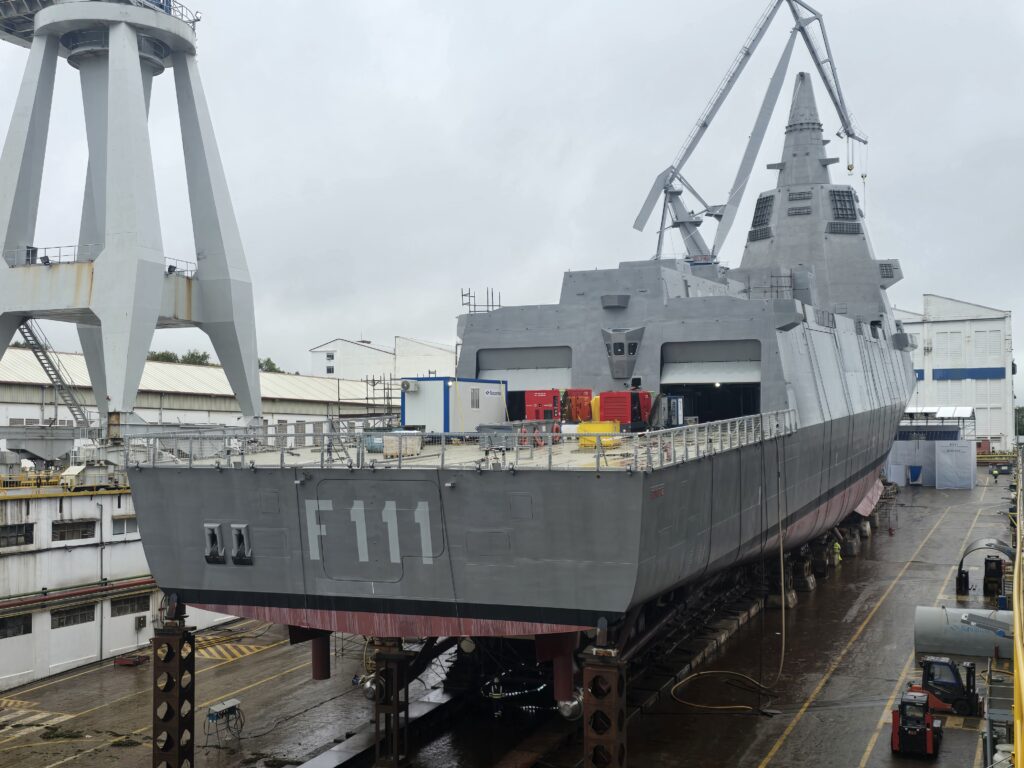
Throughout history, the navies of different countries have been responsible for the design, construction, maintenance, and operation of their ships. However, over the past three decades, this concept has evolved with the emergence of the classification of naval vessels. The involvement of Classification Societies (CSs) in the pre-contract stages of shipbuilding has contributed to the successful improvement of the final product.
CSs began around 35 years ago to develop standards for different types of naval ships, known as “Naval Ship Rules.” These standards, which classify (class notation) and certify (compliance with conventions), have clear parallels with their counterparts in civilian ships, although they differ in certain aspects.
For this model to function effectively, it was necessary for CSs to gain first-hand knowledge of naval standards and their specific operational contexts. As a result, efforts were made to unify criteria among NATO countries, leading to the creation of the Naval Ship Code (NSC). This code, equivalent to the civilian SOLAS convention, is based on the objectives, missions, and operational requirements of military vessels, aiming to establish the minimum safety level required in the design of warships.
The Classification Society “Lloyd’s Register (LR)” published its first regulations for civilian ships in 1764. These regulations informed insurers and shipowners about the condition of the vessels they insured and chartered. LR, the oldest classification society, originated in a London coffee house known as “Lloyd’s Coffee House,” frequented by shipowners, merchants, seafarers, charterers, insurers, and others. In subsequent years, other CSs emerged, such as Bureau Veritas (BV), founded in Belgium in 1828 and a founding member of the International Association of Classification Societies; RINA in 1861; ABS in 1862; and DNV in 1864.
There are more than fifty classification societies worldwide, but only the twelve most prominent belong to the International Association of Classification Societies (IACS). Headquartered in London, IACS is an advisory body to the International Maritime Organization (IMO), which operates under the United Nations. It is the only non-governmental organization with observer status authorized to develop and apply rules. Its current members include: LR, BV, ABS (USA), CCS (China), CRS (Croatia), DNV (Norway), IR Class (India), KR (Korea), NKK (Japan), PRS (Poland), RINA (Italy), and TL (Turkey).
At the national level, it is worth noting that the Spanish Maritime Administration is responsible for recognizing “Authorized Organizations (AOs)” that have already been approved by the European Commission. Through the Directorate General of the Merchant Marine (DGMM), this body authorizes CSs to carry out ship inspections on behalf of the Maritime Administration. In Spain, the AOs authorized to perform such inspections, in accordance with Royal Decree 877/2011 (updated list of CSs in 2022), are: BV, CCS, DNV, KR, LR, and RINA.
Classification Societies and Naval Ships
After verifying compliance with their regulations, CSs grant ships intended for classification a “Class Certificate,” which certifies that they are classified by a specific society and defines the scope of that classification.
In the case of naval ships, the missions they perform are reflected in the capabilities sought in their design. What is a business objective in a merchant vessel becomes a mission in a warship.
Conventions overseen by the International Maritime Organization (IMO), such as SOLAS and MARPOL, exempt warships from compliance. However, this does not mean that navies neglect the safety of their vessels, crews, and the environment (the “safety” concept). Therefore, the safety of a military vessel is not left solely to the discretion of individual states. Cooperation between CSs and NATO in the early 21st century led to the development of a unified code: the Naval Ship Code (NSC).
Read the full article <here>
More information at:
GRUPO STIER
Shipping agent
P&I Correspondents, loss adjusters.
+ 34 607 55 29 27
+ 34 650 24 75 74
www.stier.es
pandi@stier.es
agency@stier.es
In April 1943, during the Second World War, the German U-167, a Kriegsmarine Type IXC/40 U-boat, was operating in waters

In an inherently international industry, having an effective network of P&I Correspondents is essential when a vessel requires assistance in