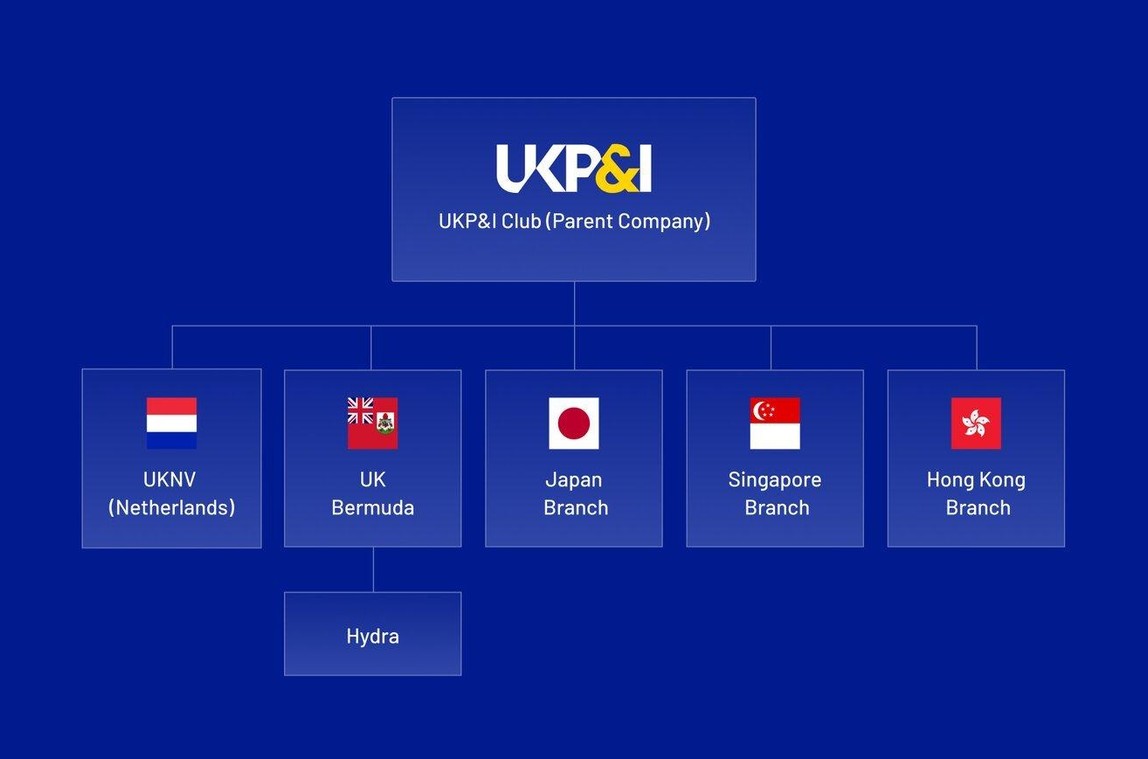
UK P&I Club and TT Club Approve Merger to Create a Major Global Maritime and Logistics Insurance Group
The international marine insurance sector is entering a significant period of transformation. Members of the UK P&I Club and TT

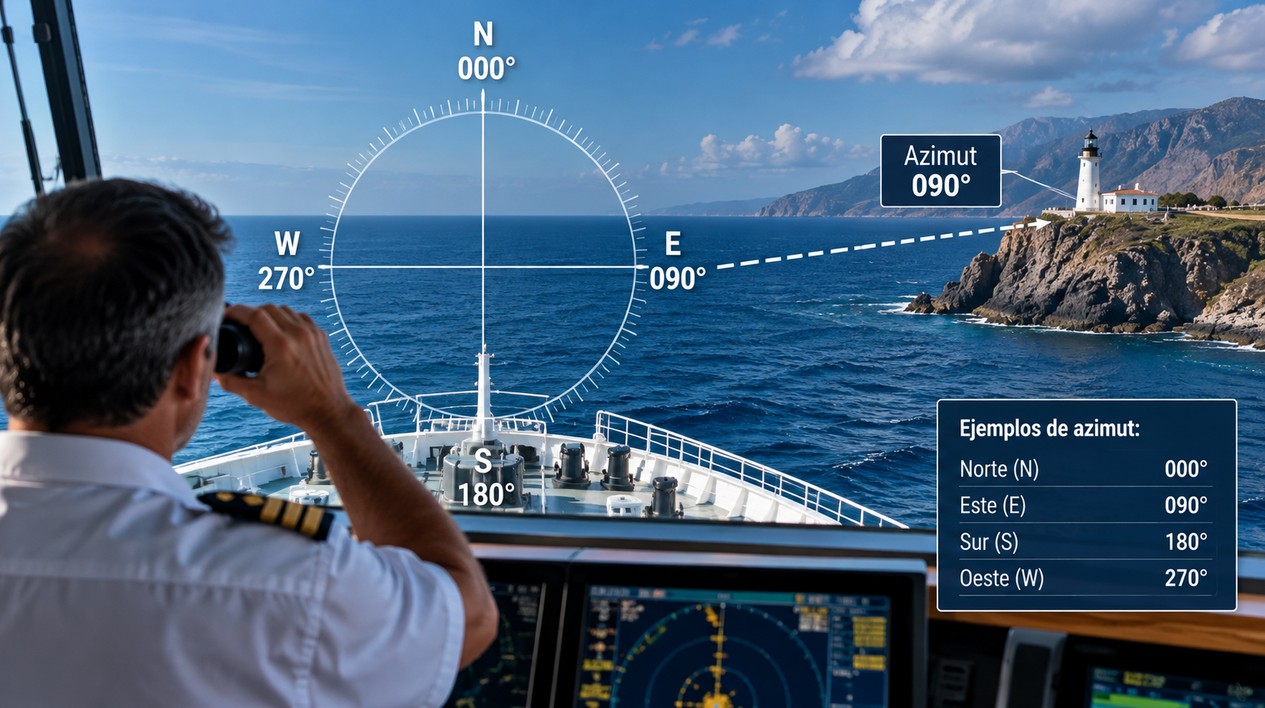
In nautical terminology, azimuth is the horizontal angle between a given direction and a reference direction, usually north. It is measured clockwise in degrees, from 000° to 360°. This concept is essential in marine navigation, as it allows navigators to determine the direction of a celestial body, lighthouse, coastal landmark or other reference point relative to the observer.
To understand it better, imagine a vessel navigating off the coast of Gran Canaria. If a lighthouse is observed exactly to true east from the bridge, its true azimuth is 090°. If the lighthouse lies due south, its azimuth is 180°; if it lies due west, it is 270°. These values provide a precise and universally understood way of expressing direction at sea.
Azimuth also plays a fundamental role in celestial and coastal navigation. By observing the Sun or other celestial bodies, navigators can compare the calculated true azimuth with the corresponding compass bearing to determine compass error. In coastal navigation, bearings taken to known landmarks can be plotted as lines of position on a nautical chart, helping the bridge team establish the vessel’s position.
It is important not to confuse azimuth, heading and relative bearing. Heading indicates the direction in which the vessel’s bow is pointing, while azimuth describes the direction of an object measured from the reference north. Relative bearing, on the other hand, is measured from the ship’s head. For example, if a vessel is steering a true heading of 030° and a lighthouse is observed 60° to starboard, its true bearing (azimuth) is 090°. Three closely related concepts, each serving a different purpose in safe and accurate navigation.

More information at:
GRUPO STIER
Ship Agency
P&I Correspondents, Surveys.
+ 34 607 55 29 27
+ 34 650 24 75 74
www.stier.es
pandi@stier.es
agency@stier.es
The international marine insurance sector is entering a significant period of transformation. Members of the UK P&I Club and TT
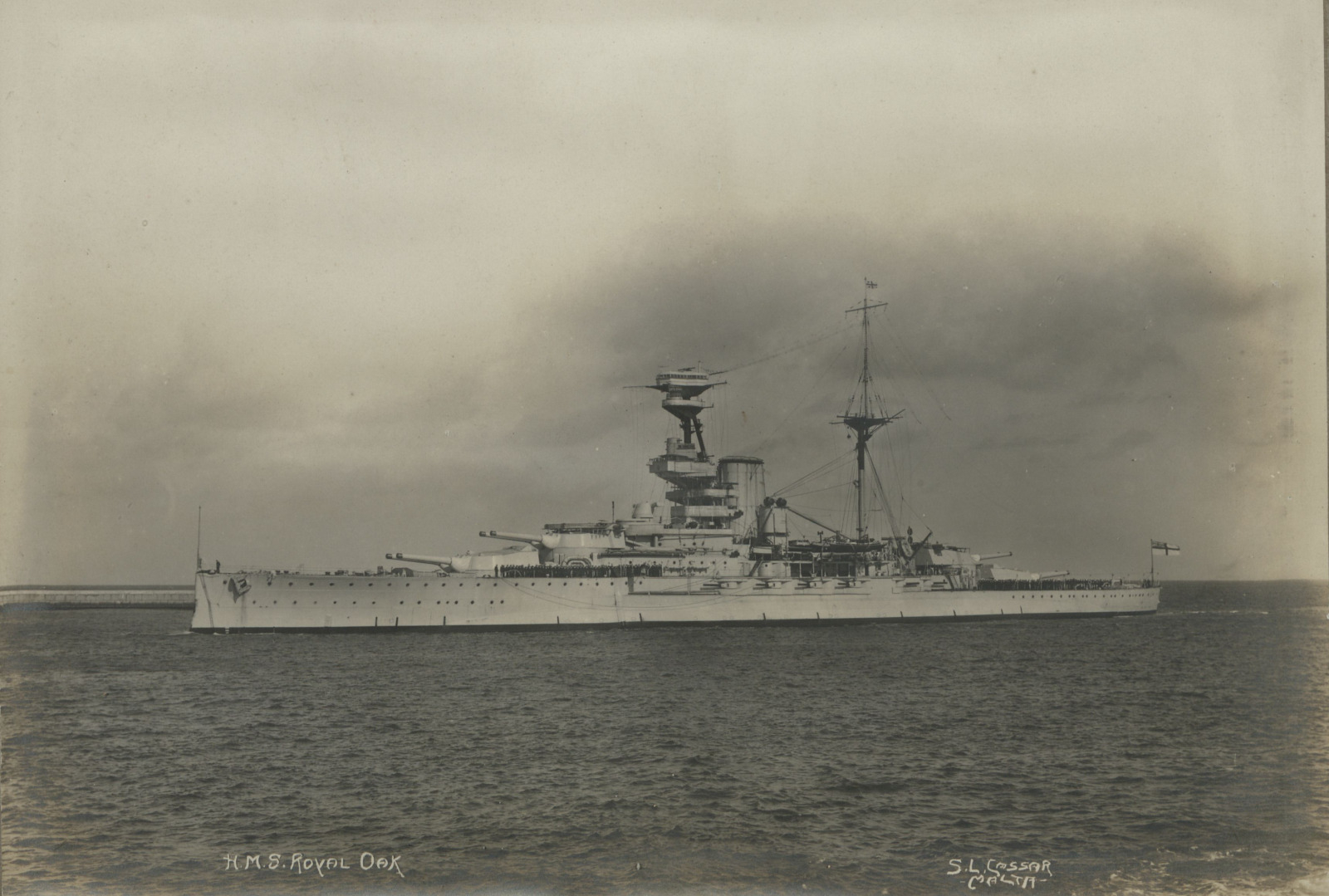
On 14 October 1939, just weeks after the outbreak of the Second World War, the British battleship HMS Royal Oak