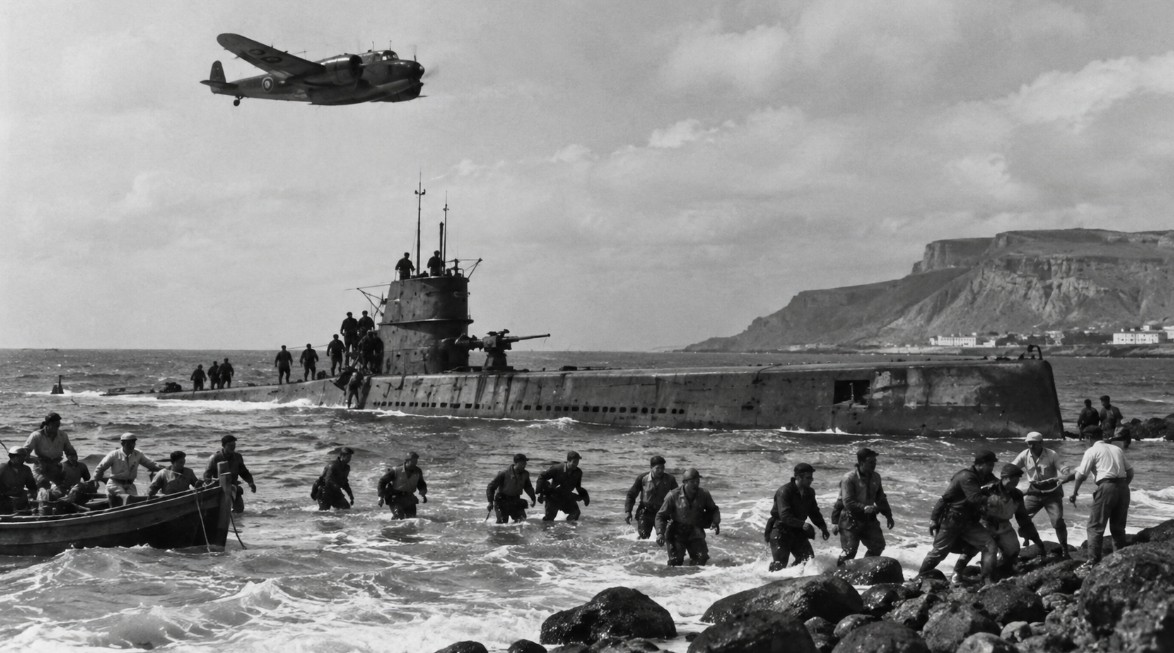
U-167: The German U-boat That Ended Its Final Patrol off Gran Canaria
In April 1943, during the Second World War, the German U-167, a Kriegsmarine Type IXC/40 U-boat, was operating in waters


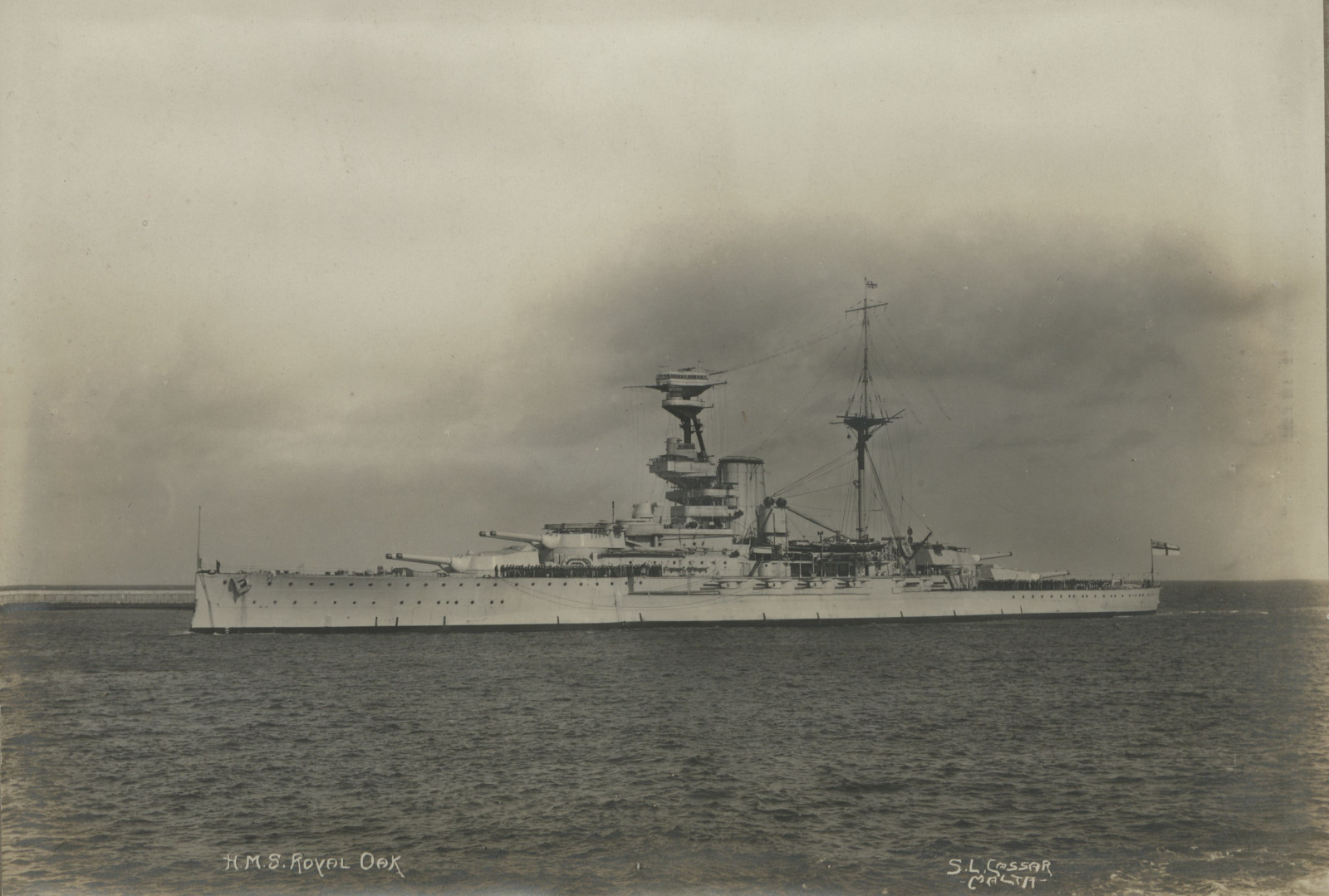
On 14 October 1939, just weeks after the outbreak of the Second World War, the British battleship HMS Royal Oak was sunk while lying at anchor at Scapa Flow, in Scotland’s Orkney Islands. The attack was carried out by the German submarine U-47, commanded by Kapitänleutnant Günther Prien, who managed to penetrate one of the Royal Navy’s principal fleet anchorages.
During the early hours of the morning, U-47 fired several torpedoes at the battleship, causing explosions that led to her sinking within minutes. The tragedy claimed the lives of 835 members of her crew, making it one of the Royal Navy’s most devastating losses during the opening months of the war.
The attack highlighted the strategic importance of securing harbour approaches, monitoring anchorages and maintaining effective anti-submarine defences. Following the sinking, British authorities strengthened security at Scapa Flow, including the construction of permanent barriers, known as the Churchill Barriers, designed to prevent enemy submarines from entering the anchorage.
Today, the wreck of HMS Royal Oak remains on the seabed at Scapa Flow as a protected war grave and a memorial to those who lost their lives. Her story reminds us that maritime safety and security do not end when a vessel reaches port: prevention, surveillance and the protection of naval facilities remain essential to safeguarding lives and maritime operations.

More information at:
GRUPO STIER
Ship Agency
P&I Correspondents, Surveys.
+ 34 607 55 29 27
+ 34 650 24 75 74
www.stier.es
pandi@stier.es
agency@stier.es
In April 1943, during the Second World War, the German U-167, a Kriegsmarine Type IXC/40 U-boat, was operating in waters

In an inherently international industry, having an effective network of P&I Correspondents is essential when a vessel requires assistance in