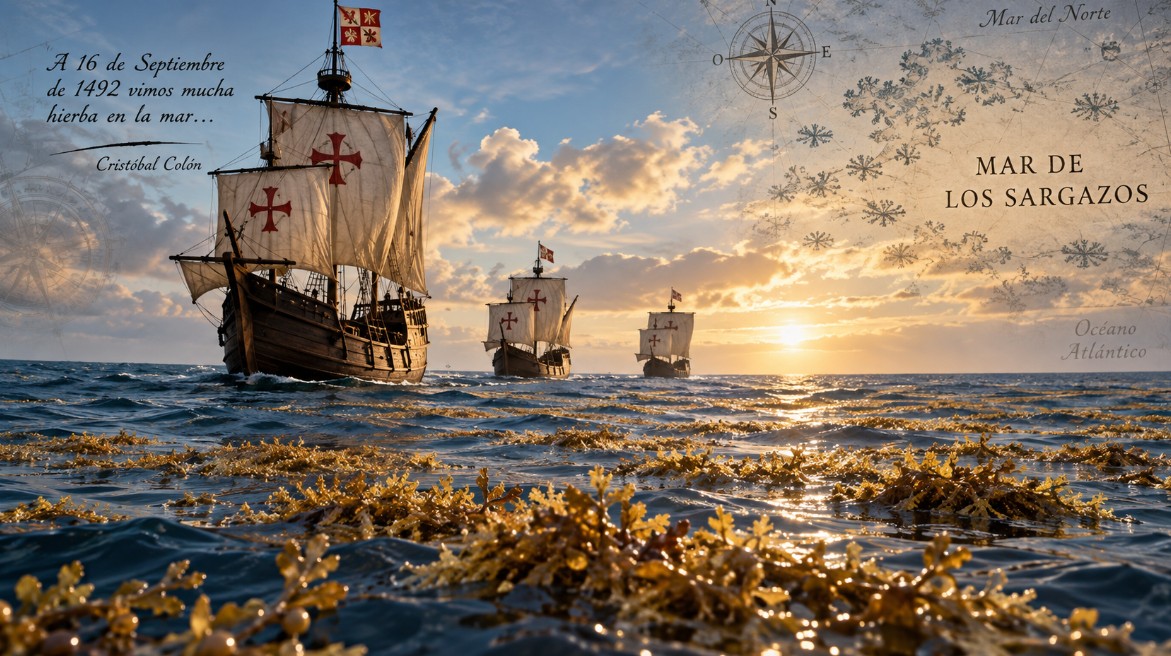
September 16, 1492: Columbus and the Sargasso Sea
On September 16, 1492, during Christopher Columbus’s first westward voyage, his vessels began encountering large quantities of floating vegetation in


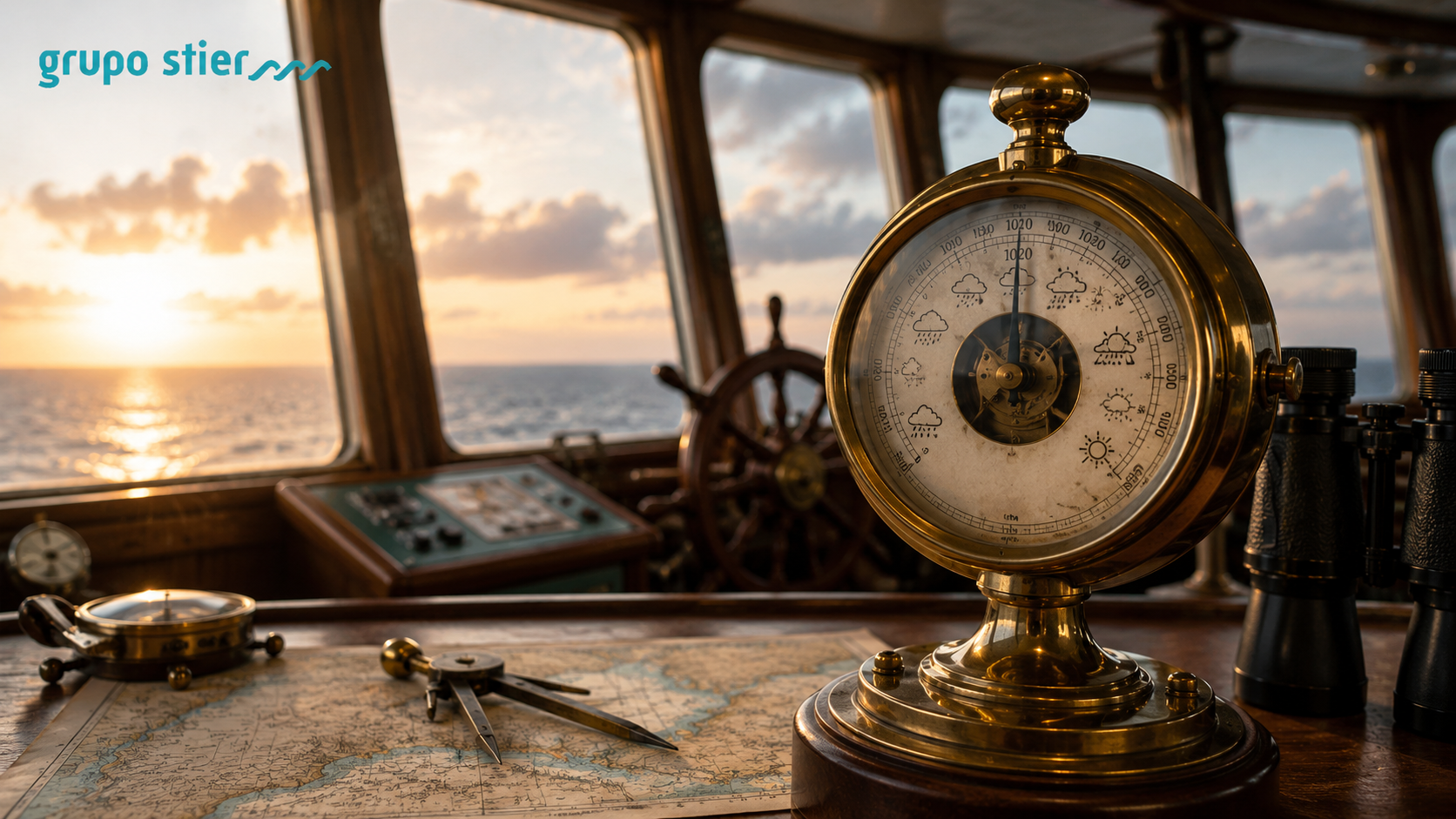
Long before the arrival of satellites, radar systems and digital weather forecasting technologies, seafarers relied on instruments capable of anticipating changes in weather conditions at sea. Among them, the barometer became one of the most important tools for navigation, allowing crews to measure atmospheric pressure and detect approaching storms, low-pressure systems and periods of stable weather.
Since the Italian scientist Evangelista Torricelli developed the first mercury barometer in 1643, the instrument transformed our understanding of the atmosphere and quickly found practical applications within the maritime sector. For centuries, captains and officers closely monitored pressure variations to make informed decisions regarding routes, maneuvers and safety measures before facing adverse weather conditions.
The introduction of the barometer on board ships represented a major step forward for maritime safety. Even today, despite the availability of advanced meteorological systems and real-time communications, monitoring atmospheric pressure remains an important element of good seamanship and operational risk management.
The history of the barometer reminds us that maritime innovation is not always about creating new technologies. It is also about applying scientific knowledge to improve safety, efficiency and sustainability at sea. A simple instrument that has helped protect lives, vessels and cargoes across the world’s oceans for generations.

More information at:
GRUPO STIER
Ship Agency
P&I Correspondents, Surveys.
+ 34 607 55 29 27
+ 34 650 24 75 74
www.stier.es
pandi@stier.es
agency@stier.es
On September 16, 1492, during Christopher Columbus’s first westward voyage, his vessels began encountering large quantities of floating vegetation in
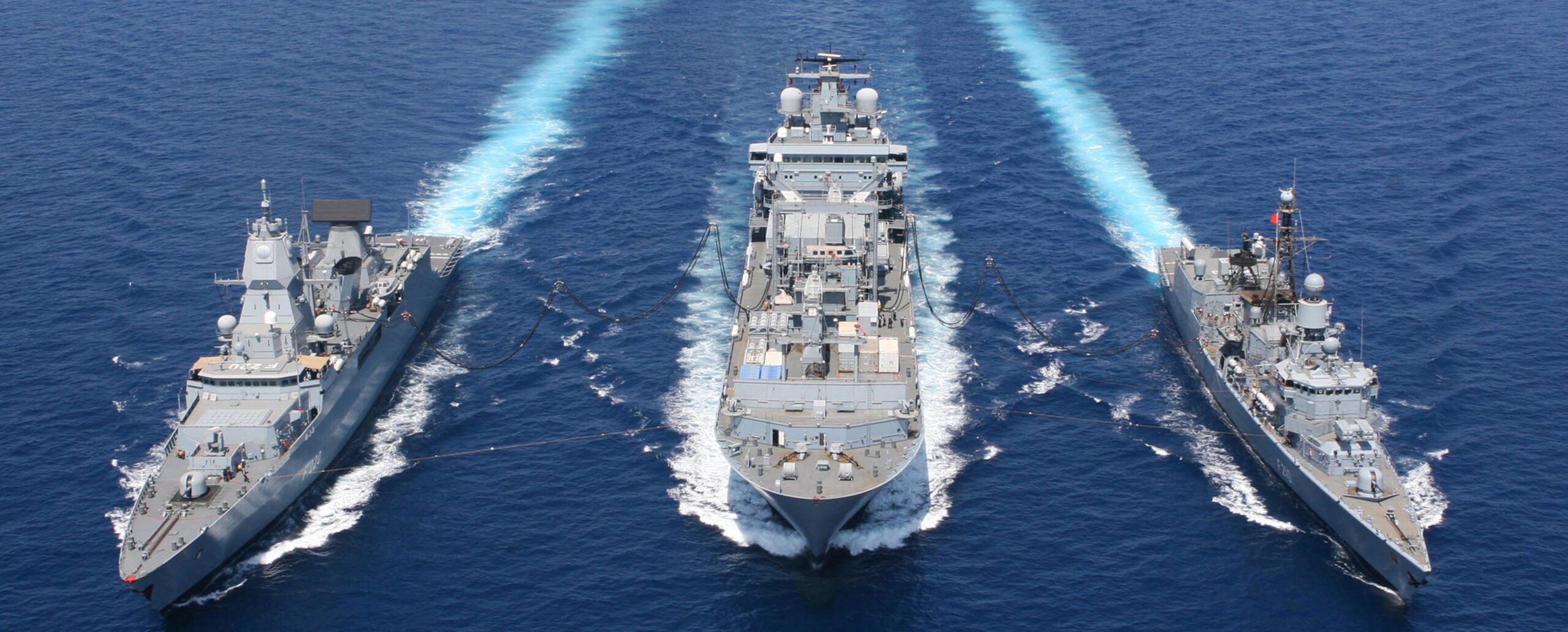
Post by Naucher The merchant marine constitutes a strategic infrastructure for any state with a geographical position like Spain.