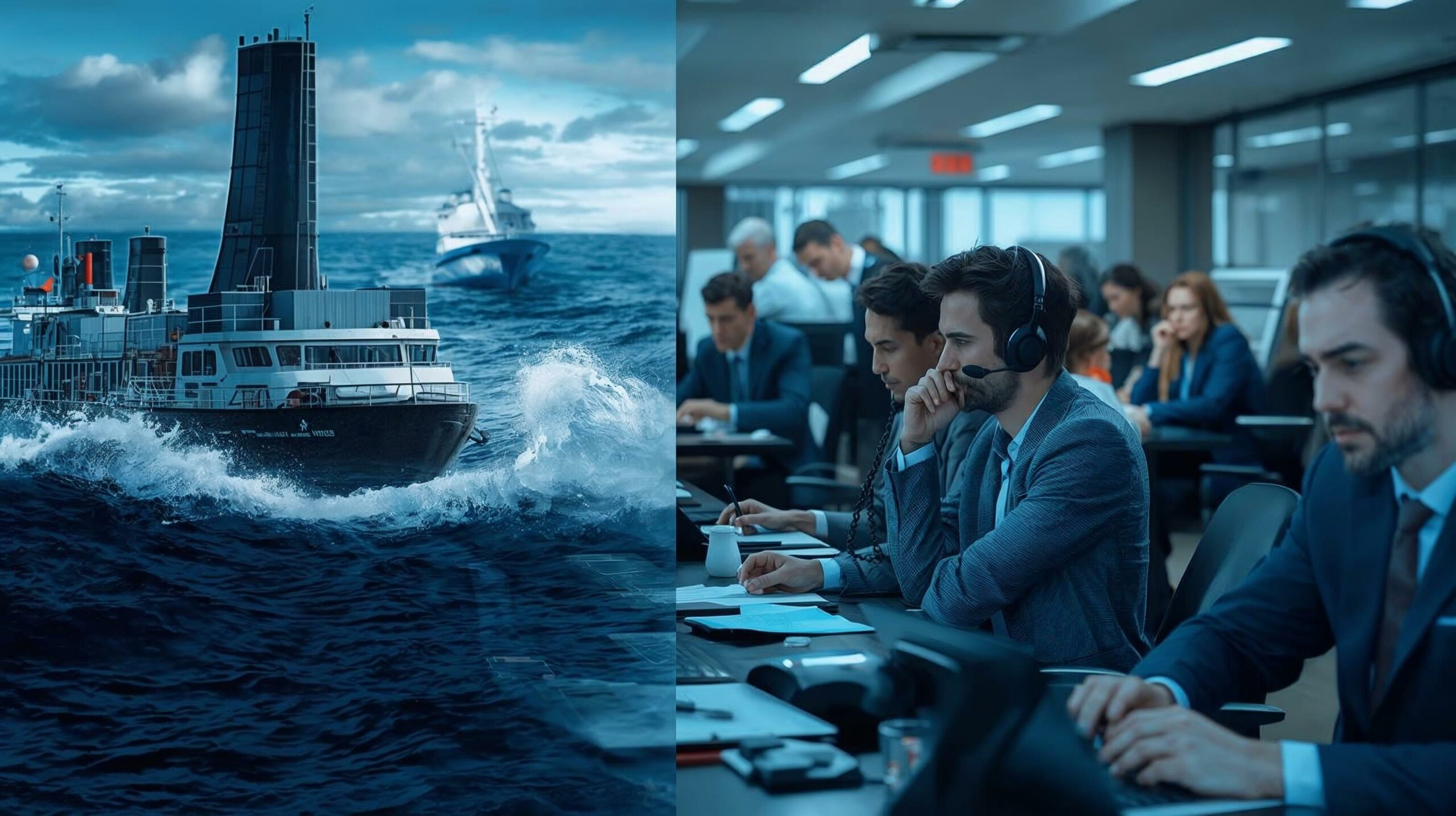
Managing Complex Claims: The Added Value of P&I Correspondents
In an increasingly regulated maritime environment exposed to multidimensional risks, claims and legal matters arising from complex operations require highly


By Juan Moreno Gutiérrez
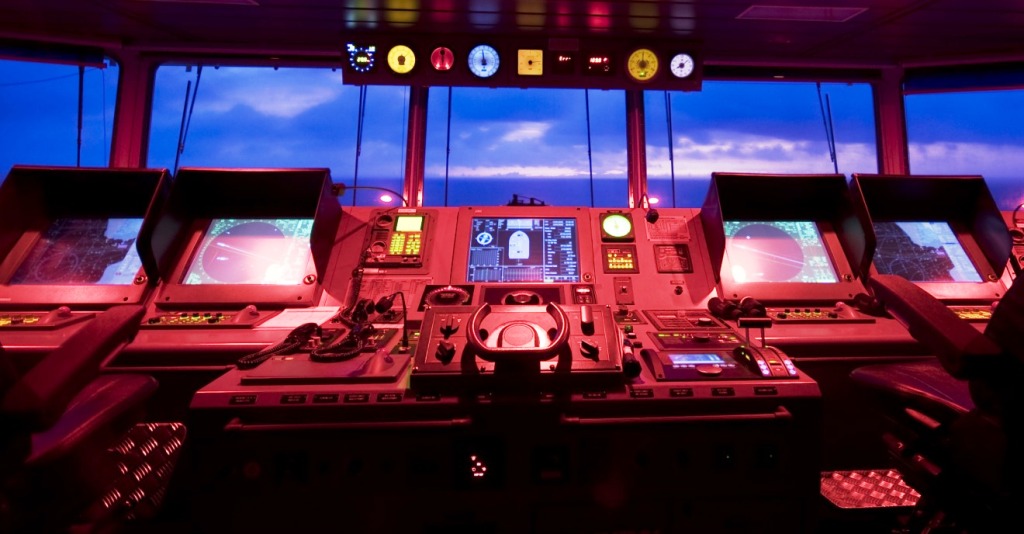
The role of the Maritime Captain occupies a central position within the maritime traffic safety and control system. This position carries direct responsibility for navigational safety, marine pollution prevention, the application of international conventions, and the operational management of port traffic. Therefore, the professional profile of those who hold these positions is not a minor issue, but rather a key element of a country’s maritime model.
In this context, the Spanish case presents a relevant singularity compared to the usual practice in most European and Anglo-Saxon countries: the occupation of Maritime Captaincy positions by naval engineers, a high-level technical profile, but whose university training and competence framework differ substantially from those of the Merchant Marine.
This article does not intend to question the professional value of naval engineering, but to open a calm reflection on the coherence between training, acquired skills, operational responsibilities and maritime governance models.
Professional skills: two training programs, two different purposes
Merchant mariners (captains, deck officers, engine room officers, and radio officers) acquire their qualifications through university degrees and master’s programs fully aligned with the International Maritime Organization’s (IMO) STCW Convention (Standards of Training, Certification and Watchkeeping). This convention comprehensively regulates the competencies necessary to perform functions related to:
Navigation and maneuvering in restricted waters
Maritime traffic management
Navigation safety
Emergency prevention and response
Protection of the marine environment
Practical application of the Solas and Marpol conventions
Real-time decision-making in complex operating environments
These skills are acquired not only through academic training, but also through mandatory periods of embarkation, advanced simulation, and continuous assessment according to international standards.
In contrast, naval engineering focuses its training on the design, calculation, construction, inspection, and maintenance of ships and maritime installations, with a clear emphasis on systems engineering, structures, propulsion, and technical regulations. This training is essential for maritime safety from a technical standpoint, but it is not centered on traffic operations or the direct management of navigation.
Read the full article <here>
More information at:
GRUPO STIER
Shipping agent
P&I Correspondents, loss adjusters.
+ 34 607 55 29 27
+ 34 650 24 75 74
www.stier.es
pandi@stier.es
agency@stier.es
In an increasingly regulated maritime environment exposed to multidimensional risks, claims and legal matters arising from complex operations require highly
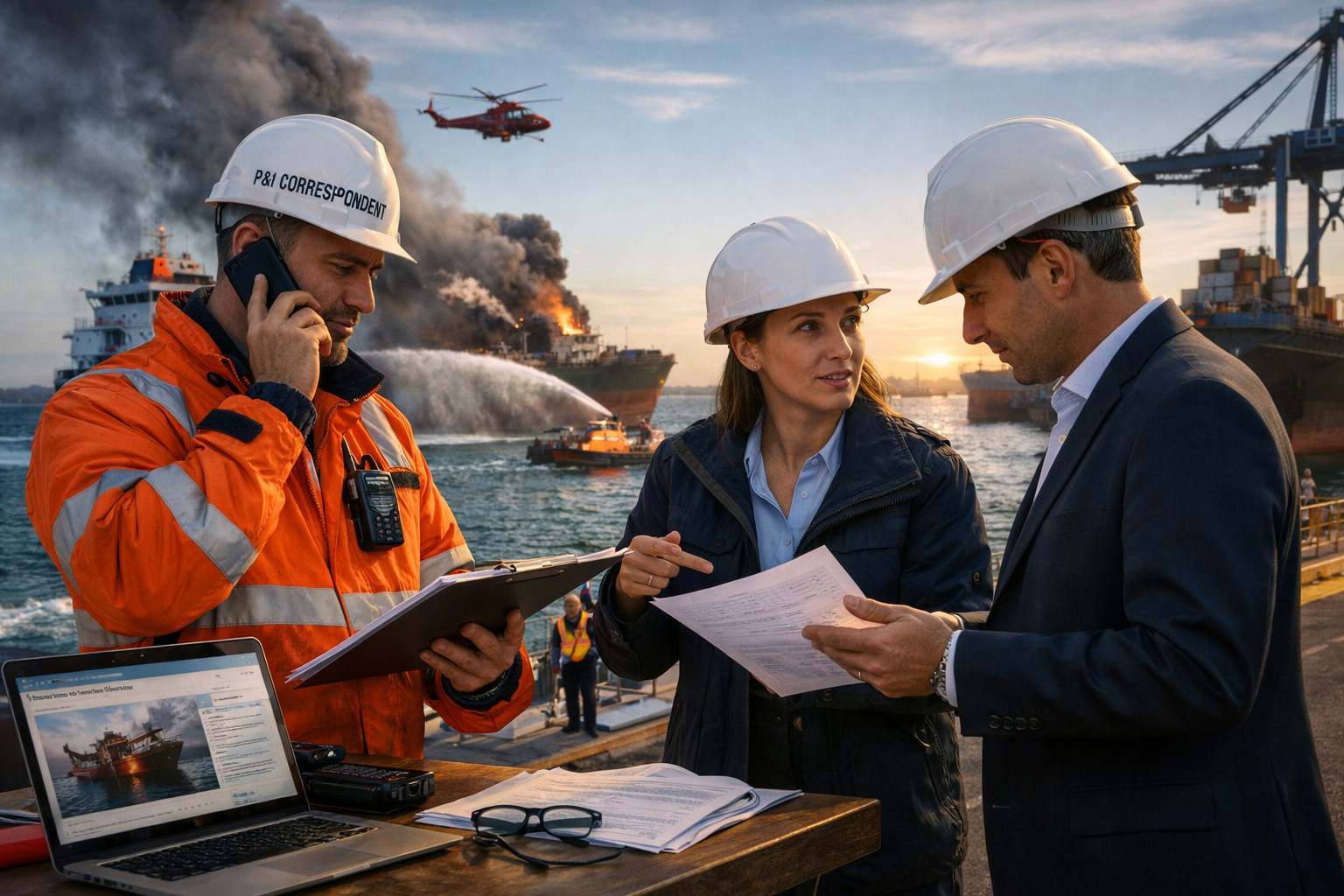
In such a dynamic and demanding environment as shipping, P&I Correspondents serve as the frontline response to incidents ashore and/or