The London P&I Club reports positive 2026 renewals, underpinned by disciplined underwriting and strong Member support
By Maritime Fairtrade The London P&I Club has concluded the 2026 renewal season with another positive outcome, reflecting a


By Raúl Villa Caro
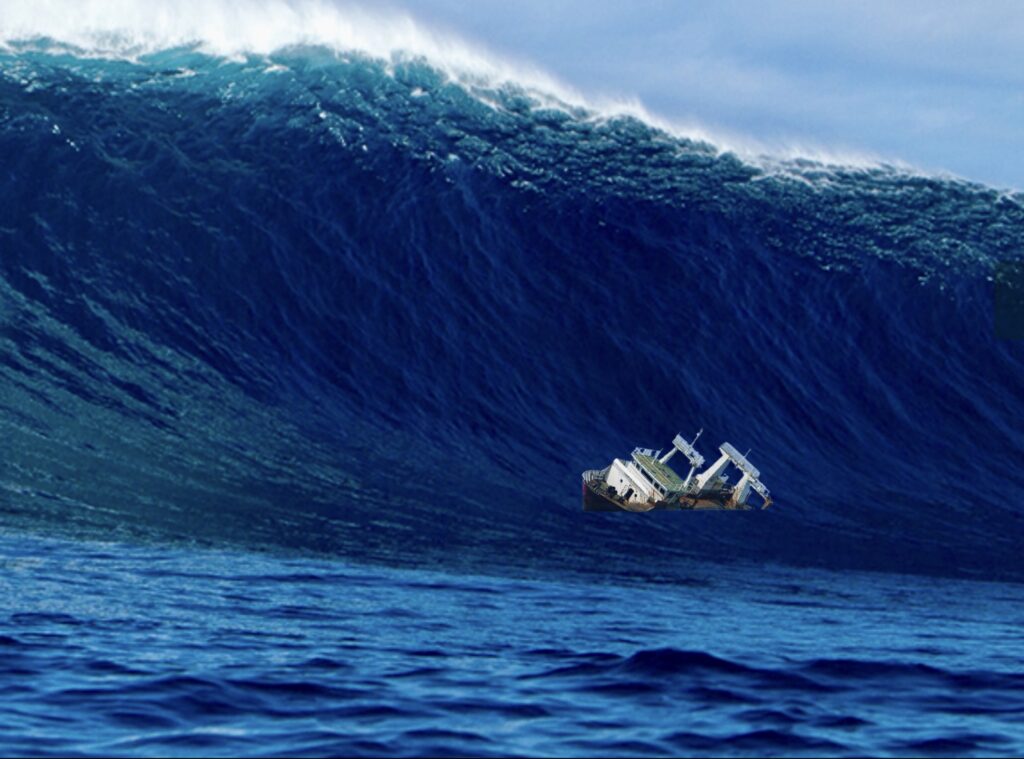
Nearly two-thirds of all the planet’s seas and oceans correspond to “high seas” waters, located beyond the jurisdictional zones of coastal states (more than 200 nautical miles offshore). For this reason, over the past twenty years, and within the framework of the United Nations Convention on the Law of the Sea (UNCLOS), discussions have been ongoing regarding the possible approval of a treaty on the high seas focused on biodiversity protection, marine conservation, and the sustainable use of marine and coastal resources.
Interestingly, the remaining waters — those under national jurisdiction that make up the other third of the oceans (within 200 nautical miles of coastal states) — have long been regulated by the “Convention on the Law of the Sea,” signed in Montego Bay (Jamaica) on December 10, 1982.
As a result of the negotiations held so far, on January 17, 2026, the “Agreement on the Conservation and Sustainable Use of Marine Biological Diversity of Areas Beyond National Jurisdiction,” better known as the “High Seas Treaty,” entered into force after obtaining ratification from more than sixty countries. Morocco and Sierra Leone recently joined (September 2025) the group of States that ratified the agreement, becoming the 60th and 61st countries to do so, thereby triggering the entry into force of the treaty signed in June 2023 (currently, 81 ratifications have been reached).
This “BBNJ” treaty (according to its English acronym) is the third implementing agreement under the United Nations Convention on the Law of the Sea. Notably, on February 4, 2025, Spain became the first European country to deposit its instrument of ratification at the United Nations headquarters in New York.
The main objective of this treaty (comprising 76 articles divided into 12 parts) is to improve coordination and establish a comprehensive approach to the conservation and sustainable use of biodiversity in the affected waters. Therefore, it seeks to ensure that ocean resources in the high seas are used at a pace and in a manner that does not cause a reduction (in the present or long term) of animal and plant species.
Additionally, the sharing of benefits derived from the use of marine genetic resources must be carried out in an equitable manner, while creating protected areas and strengthening scientific cooperation.
Treaty Approach: What About the Fishing Sector?
In case of doubt, and with regard to fisheries, Article 10 of the treaty clearly states that it does not intend to encroach upon the competencies of other international organizations, particularly concerning the allocation of fishing quotas or the control of fishing effort. The treaty primarily focuses on climate change, ocean acidification, pollution, and technological exploitation. Due to its environmental objectives, this may create some uncertainty regarding its potential implications for fisheries.
The treaty allows for the establishment of marine protected areas on the high seas and aims to create a connected network among them. This goal is particularly important in order to achieve the protection of 30% of the world’s oceans by 2030 (the so-called 30×30 target). It should be noted that currently only around 1% of the high seas are fully protected.
More information at:
GRUPO STIER
Shipping agent
P&I Correspondents, loss adjusters.
+ 34 607 55 29 27
+ 34 650 24 75 74
www.stier.es
pandi@stier.es
agency@stier.es
By Maritime Fairtrade The London P&I Club has concluded the 2026 renewal season with another positive outcome, reflecting a

When we think of plumbers, we usually imagine homes, buildings, or cities. But there’s a place where their work is